Waste disposal duties after a Pimlico move explained
Posted on 04/07/2026
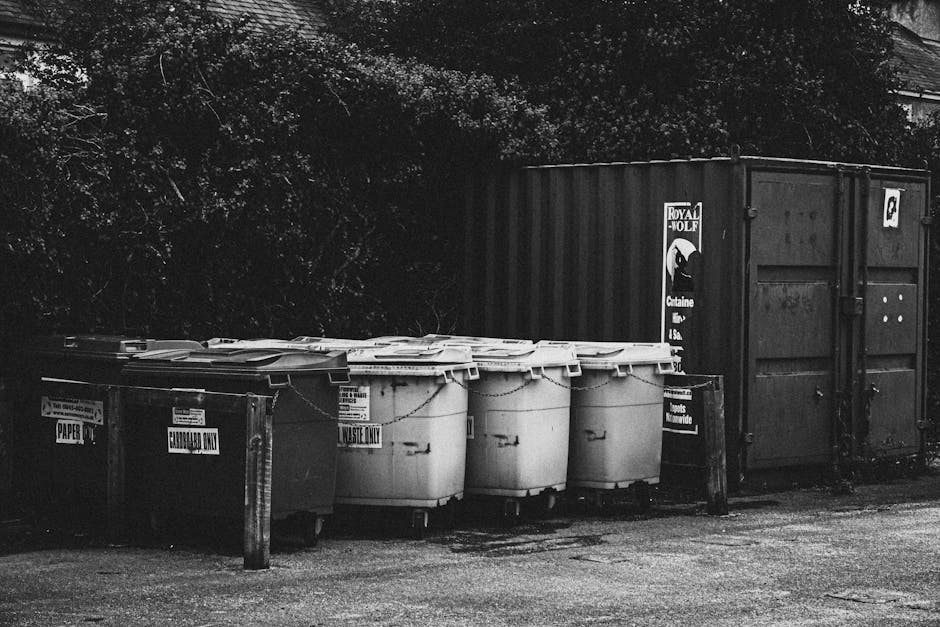
Moving home in Pimlico can feel like a race against the clock. Boxes pile up, the van arrives early, and suddenly you are staring at a half-empty flat with one last awkward job left: dealing with the waste. Old furniture, broken shelves, packaging, food waste, paint tins, random odds and ends you swore you would sort out later. It all adds up fast.
Waste disposal duties after a Pimlico move explained is about more than getting rid of clutter. It is about knowing what you are responsible for, what should be left behind, what must be removed, and how to avoid mess, missed collections, or unnecessary charges. In a busy part of London like Pimlico, that clarity really matters.
Below, you will find a practical guide that breaks the process down in plain English. We will cover your duties, the right way to separate waste, common mistakes, and the best way to leave a property clean, compliant, and ready for the next person. Truth be told, a tidy exit saves stress at both ends.
Why Waste disposal duties after a Pimlico move explained Matters
When you move out of a Pimlico property, waste is not just "leftover stuff". It can affect your deposit, your handover with the landlord or managing agent, and your relationship with neighbours and building staff. In a tightly managed London area, even a small pile of broken items in a shared corridor can become a problem quickly. Not ideal, especially when you are already juggling keys, meter readings, and the final clean.
There is also a practical reason. Leaving waste behind can delay the end of your move, and in some cases it can lead to extra collection or clearance costs. If a building has bin stores, refuse areas, or concierge rules, those arrangements may not be forgiving on moving day. That is why the topic connects closely with broader moving planning, much like the advice in the Eccleston Square moving guide and tips for Churchill Gardens estate moves.
Waste duties also matter because they are part of being a considerate resident. Pimlico is dense, elegant, and very much lived-in. That means shared pavements, shared entrances, and shared bin spaces. If you dump packing materials or old furniture without a plan, somebody else has to deal with it. And yes, that usually comes back around faster than people expect.
Key point: your moving duty is not only to remove what belongs to you, but to dispose of it properly, safely, and in line with the property's rules.
How Waste disposal duties after a Pimlico move explained Works
The process is usually simpler than people fear, but it needs a bit of structure. Think of it in three parts: identify, separate, remove. That sounds basic, but when you are surrounded by half-packed boxes and a suspiciously heavy bag of "miscellaneous bits", structure helps.
1. Identify what counts as moving waste
Moving waste includes anything you are not taking with you and anything that should not remain in the property. That might be damaged furniture, food packaging, torn wrapping, old curtains, broken hangers, unwanted clothes, expired household items, and the mountain of cardboard from boxes and tape. If you are using packing and boxes in Pimlico, there is usually more wrapping waste than people first realise.
2. Sort items by disposal route
Not all waste should go into a general rubbish bag. Some things can be reused, some recycled, some need special handling, and some may need collection as bulky waste. A broken wardrobe is not treated the same way as a takeaway carton, and paint tins are not the same as old clothes. Simple, but easy to forget on a hectic morning.
3. Use the right removal path
Depending on volume and type, waste may go with:
- regular household refuse bins
- recycling bins
- reuse or donation routes
- bulky waste collection or licensed clearance
- special handling for hazardous items
If you have a lot to shift alongside furniture, a service like furniture removals in Pimlico can help separate what is being moved from what should be cleared. That keeps the job tidy and avoids last-minute improvisation. Nobody wants to be stuffing table legs into a hallway at 7 p.m.
Key Benefits and Practical Advantages
Doing waste disposal properly after a move is not glamorous, but it pays off in ways you notice immediately. First, it reduces stress. Once waste is sorted early, the rest of the move feels lighter. You are not tripping over broken flat-pack panels or wondering where the old mattress has ended up.
Second, it protects your deposit and your reputation with the property manager. Leaving a clean, waste-free home signals that you have handled the move responsibly. That matters in a place where apartments are often let or sold quickly, especially if you are moving within the local market covered in articles like Pimlico real estate buying and selling.
Third, it can save money. Proper separation is usually cheaper than panic disposal. For example, recycling cardboard early or donating usable items before moving day can cut down on the volume that needs collection. It is one of those small efforts that feels minor until the end of the day, when the room is empty and you realise how much smoother everything went.
Practical advantages at a glance:
- cleaner handover
- less risk of charges or disputes
- fewer trips to disposal points
- better use of the moving van
- more time for the final clean and inspection
There is a sustainability angle too. If you can recycle or reuse rather than throw everything out, that is better for the environment and often better for your conscience. Simple as that.
Who This Is For and When It Makes Sense
This guidance is for anyone moving out of a Pimlico flat, house, studio, or office space and trying to work out what to do with the mess left behind. It is especially useful if your move is happening under time pressure, or if you are leaving a furnished property with items that no longer have a home.
It also makes sense if you are:
- moving from a rental and need to return the property in good condition
- selling a home and clearing out leftover contents
- downsizing and deciding what stays and what goes
- moving office furniture or archived materials
- handling a same-day or short-notice move
If you are in a rush, the waste part can easily be overlooked. That is where local planning matters, especially if you are using same-day removals in Pimlico or arranging a quick move with a man with a van in Pimlico. The narrower the timeline, the more important it is to decide in advance what is moving and what is being discarded.
It also makes sense for students, flat-sharers, and people moving from smaller properties. In these cases, waste tends to build up in small but awkward ways: broken desk chairs, storage boxes, old bedding, food packaging, and random things from under the bed that should probably have been binned years ago. We have all been there.
Step-by-Step Guidance
Here is a simple, workable way to handle waste disposal duties after a Pimlico move.
- Start with a room-by-room sweep. Do one last pass through each room, cupboard, loft space, and storage area. Be honest about what you are actually taking. If you have not used it in a year, there is a fair chance it should be removed.
- Split items into clear categories. Make separate piles for keeping, donating, recycling, general waste, and bulky items. This sounds basic, but it stops the whole process becoming one giant "sort it later" pile.
- Check building rules early. Some blocks have specific bin stores, collection days, or rules for leaving items in shared areas. Do not assume that placing waste beside the bins is acceptable. Sometimes it is not, and that can become an awkward conversation.
- Book the right disposal method. If the waste is large, mixed, or hard to move, plan for a clearance method that suits the item type. If you need help moving larger furniture out first, services such as house removals in Pimlico or flat removals in Pimlico can support the overall move.
- Separate recycling before moving day. Flatten boxes, remove tape where practical, and keep recyclables apart. Cardboard can become a monster if you leave it until the last minute.
- Handle hazardous or special waste separately. Paint, chemicals, batteries, and certain electronics should not be mixed with normal rubbish. If you are unsure, treat them cautiously and keep them apart until you can confirm the right route.
- Clear the property before final cleaning. Waste comes out first, then the clean. If you reverse that order, you will probably clean twice. Not the end of the world, but annoying.
- Do a final bin-store check. Look in cupboards, under sinks, behind doors, and inside balcony corners. Moving waste has a funny habit of hiding in exactly the place you forgot.
A useful rule of thumb is this: if it would embarrass you to find it in the property after you have left, remove it now. That is usually the right instinct.
Expert Tips for Better Results
In our experience, the smoothest moves are the ones where waste is treated as part of the packing process, not as an afterthought. A few small habits make a big difference.
1. Keep one "disposal" box in every room. As you pack, drop broken items, old paperwork, and obvious rubbish into a dedicated box. It saves endless back-and-forth later.
2. Photograph what you leave behind. If you are handing over a rental or commercial space, quick photos of cleared areas can help if there is any disagreement later. That is a sensible habit, not paranoia.
3. Don't fill the moving van with rubbish by accident. This sounds obvious, but it happens. A van load of keep-and-dispose items can blur together. If you are using a removal van in Pimlico, make sure the driver knows what is being transported and what should stay out of the load.
4. Plan for awkward items separately. Broken mirrors, mattress disposal, and old shelving often need more space than expected. If they are not protected properly, they can create mess or damage other items.
5. Use sustainability as a filter. Ask a simple question: can this be reused, donated, repaired, or recycled? If the answer is yes, it usually should not be thrown out first.
6. Allow a buffer at the end. The last hour of a move rarely goes exactly to plan. Leave time for the final rubbish sweep. You will thank yourself later, honestly.
Expert summary: the best waste plan is the one you make before the van arrives. If you decide what is leaving early, the rest of the move gets easier, cleaner, and far less chaotic.
Common Mistakes to Avoid
Most moving waste problems come from rushing. Pimlico is a place where people are often moving under pressure, so these mistakes are common enough to watch for.
- Leaving rubbish for the next occupant. That is rarely acceptable and can cause disputes.
- Putting everything in one bag. Mixed waste is harder to manage and may be less suitable for recycling.
- Forgetting communal rules. Shared entrances and bin stores often have stricter expectations than people realise.
- Ignoring bulky waste. Large items are not the same as general rubbish and usually need a separate plan.
- Assuming all packaging is recyclable. Tape, plastic film, food contamination, and mixed materials can make recycling trickier than it looks.
- Waiting until the removal van is outside. At that point, your options shrink very fast.
Another mistake is overestimating how much you can leave until the final day. That works for maybe one bag. Not for an entire cupboard full of "I'll deal with this later" bits. Let's be fair to ourselves and admit it: later has a way of becoming never.
Tools, Resources and Recommendations
You do not need a complicated system, just a few reliable habits and the right support where needed.
Useful things to have on hand:
- sturdy bin bags
- marker pens for labelling boxes
- packing tape and scissors
- recycling sacks or clearly marked containers
- basic gloves for handling dusty or sharp items
- a checklist for each room
If your move involves a lot of sorting, a storage option can be helpful while you decide what to keep. That can buy you time without turning the flat into a temporary warehouse. For some people, storage in Pimlico is the difference between a rushed clearance and a calm decision.
It also helps to use services that keep packing and clearance organised together. If you are still boxing things up, the services overview gives a useful sense of how moving support can be combined. For larger or more complex moves, removal services in Pimlico or removal companies in Pimlico may be more suitable than trying to manage everything alone.
Small recommendation: keep one notebook or phone note titled "dispose / donate / keep". It sounds almost too simple, but it stops memory from doing all the work. And memory, as we know, can be a bit slippery when the kettle has been packed.
Law, Compliance, Standards, or Best Practice
Without pretending to give legal advice, the safest approach is to treat waste responsibly and in line with accepted UK and local expectations. That usually means not fly-tipping, not leaving items in the street, and not assuming communal bins are a free-for-all. In London, the practical standard is straightforward: dispose of waste through the correct channels and respect building or landlord rules.
If you are leaving a rental property, check your tenancy agreement and any inventory or handover instructions. Many disputes are not about the fact that waste existed, but about whether it was removed properly and on time. That is especially relevant for furnished flats, shared properties, and managed developments.
For businesses moving office space, waste handling may need even more care. Old files, office furniture, electronics, and mixed material waste can create both practical and compliance headaches. A structured office move, such as one arranged through office removals in Pimlico, tends to work better than a last-minute clear-out on the pavement.
Best practice in plain English: separate waste early, keep hazardous items apart, leave shared areas clean, and make sure anything removed from the property goes to an appropriate place. That is the standard most people expect, and fairly enough, it is the standard that keeps moves trouble-free.
Options, Methods, and Comparison Table
There is more than one way to handle disposal after a move. The right choice depends on the amount of waste, the type of items, and how fast you need everything gone.
| Method | Best for | Pros | Watch out for |
|---|---|---|---|
| Household bins and recycling | Small, ordinary waste and packaging | Simple, low effort, often already available | Limited capacity, collection timing, sorting rules |
| Reuse or donation | Usable furniture, clothes, books, homeware | Waste reduction, better sustainability, less disposal volume | Needs time, items must be in good condition |
| Bulky waste collection | Large items like mattresses, shelves, chairs | Suitable for awkward pieces, removes volume quickly | Must be arranged properly and timed well |
| Licensed clearance or removal support | Mixed or high-volume waste | Efficient, practical, less lifting for you | Can cost more than doing it yourself |
If your move is furniture-heavy, pairing disposal planning with a specialist service such as furniture removals or, for faster coordination, man and van services in Pimlico can keep the whole day from becoming a slog. That is especially helpful in narrow streets or tight building access, where every trip matters.
Case Study or Real-World Example
Imagine a one-bedroom Pimlico flat being cleared at the end of a tenancy. The tenant has a sofa that is not worth taking, three bags of household waste, a stack of flattened boxes, an old desk chair, and a few kitchen items that are still usable but no longer needed.
The first pass is to separate everything. The kitchen items go into a donation pile. The boxes are flattened and kept apart for recycling. The sofa and chair are identified as bulky items. The general waste stays in bags, ready for the normal bin route where possible.
On moving day, the furniture is taken out first, the recycling is bundled neatly, and the remaining waste is removed before the final clean. The flat is left clear, with no loose bits in the hallway and no awkward pile near the communal bins. The difference is not dramatic at the start, but by the end it feels like a properly managed move instead of a scramble.
That little bit of planning also means less pressure on the moving team. If you are already coordinating access, timing, and parking around local conditions, as discussed in the Pimlico council permit rules for moving vans in SW1V and tips to avoid fines and parking suspension issues, you will know why every extra task feels heavier than it should.
Practical Checklist
Use this quick checklist in the last 24 hours before you leave.
- Go room by room and remove all personal waste
- Flatten cardboard and separate recyclable packaging
- Set aside usable items for donation or reuse
- Keep hazardous materials separate and clearly identified
- Check cupboards, wardrobes, under sinks, and balcony corners
- Empty the fridge, freezer, and food cupboards
- Remove any bins, bags, or loose rubbish from communal spaces
- Confirm the building's bin or disposal rules
- Make sure bulky items are booked for the right collection route
- Take final photos once the property is clear
- Do one last sweep before handing over keys
Small but useful habit: if something takes less than 30 seconds to deal with, do it immediately. That rule saves a surprising amount of stress.
Conclusion
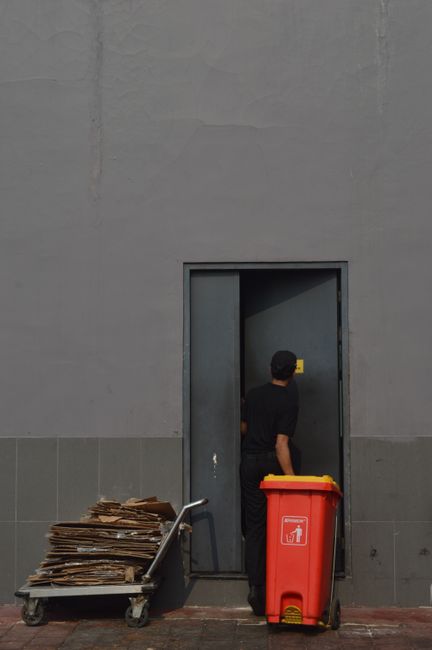
Waste disposal duties after a Pimlico move explained is really about moving with care, not just moving fast. Once you treat waste as part of the move itself, everything gets easier: the handover is cleaner, the property is left in better shape, and you avoid those annoying last-minute scrambles that can sour an otherwise smooth day.
In a busy, compact area like Pimlico, a tidy exit matters. It respects the property, the neighbours, and your own time. And to be fair, there is a quiet satisfaction in leaving a place properly-no loose ends, no surprise rubbish, no "we'll deal with it later" energy hanging in the air.
If you are planning a move soon, take waste off the back burner and make it part of the main plan. It is one of the simplest ways to keep your moving day calm, organised, and a little more human.
Get a free quote today and see how much you can save.