Man With Van in Pimlico

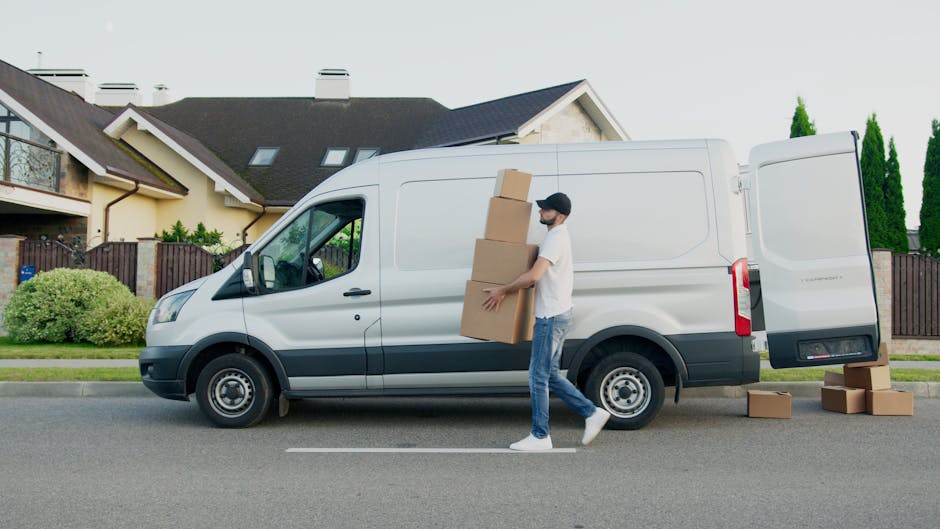
Man With Van Pimlico provides practical removals support for homes, flats and small businesses, with a focus on straightforward loading, transport and careful item handling. If you need a man with van service in Pimlico, the work is usually about making a move simpler rather than turning it into a complex project. That can mean collecting a few bulky items, moving the contents of a studio flat, or helping with part-load transport when a full-size removal service is more than you need.
Our service is suited to customers who want a compact move plan, sensible vehicle space and help with the physical side of the job. We can support single-item collections, partial house moves, short-notice transport of furniture and equipment, and local or longer-distance journeys where the load is manageable. Man and van removals can be a useful option when you want one service that covers lifting, carrying and delivery in a single arrangement.
For larger domestic moves, business relocations or combined packing requirements, the same style of transport can be adapted to different schedules and access points. We keep the approach practical: identify what needs to go, consider where each item must be placed and make sure the route from pickup to drop-off is workable. If you already know the basics, you can request a quotation and build the rest of the move from there.
Household moving support
Domestic removals often start with furniture, white goods and boxed belongings that need to be moved without unnecessary handling. A man with van arrangement can work well for one-bedroom homes, shared accommodation, retirement properties or smaller family moves where there are not too many large items. The service is also useful for customers who only need help with selected rooms, awkward items or the final stage of a move after a property has already been partly cleared.
We can help with loading from ground-floor or upper-floor properties where access is manageable, and with delivery to homes where the final placement matters. Some customers want items taken to a new address; others need direct transport to storage, a relative’s home or another destination. Home moves cover the broader process of moving domestic belongings, while a more compact van-based arrangement can keep the job proportionate to the load.
Useful preparation is usually simple. Have a clear list of the larger items, separate what is staying from what is going, and make sure narrow stairs, parking access or shared entrances are considered in advance. A brief description of the property and the furniture involved helps the move feel organised. Pricing and quotes information can also help you understand how the scale of the job is likely to shape the final arrangement.
Single items and small loads

Not every booking is a full house move. Many customers only need one sofa, a wardrobe, a bed frame, a table, a washing machine or a few boxes moved from one place to another. A compact service is often the sensible answer when the load is modest but too awkward for a regular car or too heavy to move without help. It keeps the process efficient without making the transport arrangement more complicated than the job itself.
Furniture pick-up is particularly useful when an item is being collected from a seller, storage unit or retailer and delivered to a home. The same approach can work for marketplace purchases, refurbished furniture or items going into storage. The key advantage is that the transport, lifting and delivery are handled together, which reduces the need to coordinate several separate steps for a single item.
If you are arranging a small load, it helps to note item sizes, whether anything is dismantled, and whether the pickup and drop-off locations have stairs or limited parking. Those details affect how the load is planned and what sort of vehicle space will be needed. For an everyday enquiry, removal services can be discussed in a way that matches the actual volume of your belongings, rather than forcing a larger package than necessary.
Flat moves, stair access and careful handling
Flats and maisonettes often need a more considered approach because access can be tighter than in a standard house move. Lifts, stairwells, communal halls and parking restrictions can all influence how the job is carried out. A man with van service is often a practical choice where the focus is on sensible carrying, steady loading and reducing avoidable disruption in shared buildings. That approach is especially useful for sofas, mattress sets, wardrobes and boxed household contents.
When items are moved through shared spaces, care matters. Protecting corners, avoiding unnecessary knocks and keeping a clear route all help the move stay controlled. A house removals page may suit customers looking for a more complete domestic move, while a van-based job is ideal when the property is smaller or the furniture list is limited. The aim is to match the transport method to the property rather than the other way around.
Some moves need items taken down before a tenancy ends, or delivered in a way that suits building access times. In those cases, the most helpful information is straightforward: what is moving, where it starts, where it is going and whether anything must be carried by hand over a longer distance. If you are ready to compare options, keep your enquiry focused and ask for a quotation based on the actual load.
Commercial and office transport
Small business moves can be well suited to a van-based service, particularly where the job involves desks, chairs, boxed files, display items or a limited amount of equipment. Commercial transport needs a reliable sequence: collect the load, move it safely and place it where it is meant to go. That can apply to independent offices, studios, consultancy spaces and other workplaces where a full-scale removal operation may be more than is required.
Commercial moves cover a broad set of business transport needs, from relocating part of an office to shifting stock or equipment between sites. For many organisations, the main concern is keeping the move organised and avoiding unnecessary interruption. If the load is not large enough for a full truck but still needs professional handling, a compact removal vehicle can be a practical middle ground.
Good planning keeps commercial work efficient. It helps to know which items contain files, what needs to stay upright, and whether any equipment should be isolated from heavier objects. If the move includes sensitive paperwork or specialist items, separating them before the load is assembled makes the job easier to manage. For customers comparing service levels, office removals can be a useful reference point when the move involves more than a simple pickup and delivery.
Packing, loading and moving choices

Many customers want help not just with transport, but with the practical steps that make transport safer. A well-planned van move often depends on how items are packed, stacked and secured before the vehicle sets off. Boxes should be closed properly, fragile pieces separated where possible, and heavier objects placed so they do not shift. The point is not to overcomplicate the move, but to give the load a stable shape that travels well.
Packing and unpacking services are relevant when you want extra help before or after transport, especially for households with mixed item types or time-sensitive schedules. A separate packing step can be useful when the move includes ornaments, kitchenware, books, electronics or office materials that need more than casual boxing. The service can also support customers who are only moving part of a property and need specific rooms prepared in a tidy way.
If you are deciding how much help to book, consider where the time pressure sits. Some people only need loading help and vehicle space; others want a fuller hand with wrapping, organising and unpacking. It is sensible to mention breakables, awkward shapes and any items that cannot be tilted. That gives a clearer picture of the job and makes the quotation process easier to match to the actual work.
About Pimlico
Pimlico is a distinctive district in central London, set on the south-west side of the River Thames and known for its orderly residential streets, garden squares and white stucco terraces. Much of the area was developed in the nineteenth century as part of Thomas Cubitt’s planned building work, which gave Pimlico its recognisable grid of handsome housing and calm urban character. The street pattern is notably regular, with a strong sense of enclosure created by crescents, squares and long rows of terraces. That planned layout remains one of its most visible features, and it helps the district feel coherent even though it sits close to some of the capital’s busiest government and transport corridors. Pimlico is also closely associated with the Tate Britain gallery on Millbank, the landscaped spaces around St George’s Square, and the flow of the Thames nearby, which shapes the wider setting. The area has a mix of period homes, small shops and institutional buildings, and its architecture is often admired for its consistent scale and pale façades. Walking through the neighbourhood, one finds a quieter atmosphere than in many central districts, with residential streets opening towards larger routes and the riverfront. That combination of central location, historic planning and mostly residential character gives Pimlico a clear identity within Westminster, and it remains one of the best-known examples of London’s Victorian urban design.
Van size, access and load planning
Choosing the right transport setup is often about more than item count. A compact move may still involve bulky furniture, narrow staircases or awkward turning spaces, and those factors influence how the work should be loaded. The aim is to keep the journey safe and efficient by using space properly and avoiding last-minute reshuffling. In practice, that means thinking about sequence: what is loaded first, what must stay accessible, and what should be kept separate.
Moving van information is helpful for customers who want to understand the sort of vehicle commonly used for house contents, part-loads and bulky items. If your move is restricted by parking, access or the size of the largest pieces, the van choice can matter as much as the labour itself. A suitable vehicle helps prevent multiple trips and gives the load enough room to be arranged neatly rather than forced into place.
Before booking, it is worth noting whether items are already disassembled and whether the pickup and delivery points allow reasonable stopping space. The more clearly the access is described, the easier it is to judge the handling required. If you are ready to move ahead, send a clear summary and ask for a quotation that reflects the actual journey and load.
Related removals options

Different customers need different levels of support, and not every job fits one label. Some are looking for simple transport, while others need a broader removal arrangement that includes heavier lifting, larger loads or a more complete moving plan. Knowing the distinction can save time when you are deciding what to book. A compact van service is usually best when flexibility and practicality matter more than scale.
- Man with van removals for general, flexible moving support
- House movers for domestic relocation help
- Office removals for workplace moves
- Removals for a wider overview of transport options
These related pages can help you decide whether your job is best described as a small move, a household relocation or a business transport task. The practical difference is often about scale, access and the amount of handling needed rather than the destination itself. If you are comparing possibilities, keep the enquiry focused on the items and locations involved so the recommended approach is easier to match to the job.
Quotations and booking details
A clear quotation usually depends on a few core facts: what needs moving, where it is going, and whether loading help is required at one or both ends. It also helps to mention stairs, parking restrictions, long carries, dismantled furniture and any items that need special care. That is enough detail for most straightforward jobs, and it keeps the discussion grounded in the actual work rather than broad estimates.
For pricing and preparation, it is better to be specific than verbose. A short list of the main items, approximate volume and access conditions will usually do more than a long general explanation. Pricing and quotes can help frame the discussion if you want to understand how different jobs are assessed. If you prefer to talk through the move in a simple, practical way, keep the key details together and use one clear request.
Request a quotation when you are ready to move ahead. If the job is modest, a concise enquiry is often enough to get the process started. For more involved moves, adding a few specific notes about furniture, access and timing will make the next step easier to arrange.
Additional support for moving day

Some customers need more than transport alone, especially when the move includes mixed contents, tight timing or a desire to reduce the amount of handling on the day. In those cases, the overall service can be shaped around what will make the move manageable. That might mean grouping items by room, separating fragile belongings, or deciding which possessions should travel first so that the rest can be arranged around them.
Man and van removals is a useful phrase for jobs where vehicle space and manual handling come together in one straightforward booking. It suits customers who want a practical balance between labour and transport rather than a large-scale operation. If you need a fuller domestic or commercial move, related pages such as removal company and removal services can help you compare the broader options available.
When you are ready to arrange the work, ask for a quotation that reflects the items, the access and the destination. A focused enquiry is usually the quickest way to get the right response. If you only have a small load, that is fine; if you have a larger set of furniture, say so clearly and keep the description practical.