Narrow stair moves in Pimlico: solutions for tight access
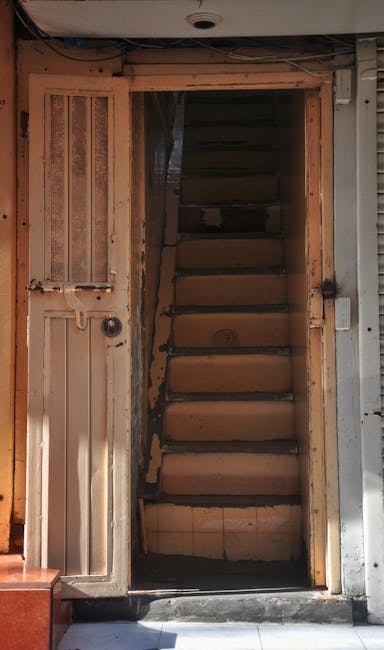
If you are planning a move in Pimlico, you may already know the awkward bit is not the packing or even the van. It is the stairs. Narrow stair moves in Pimlico can turn a straightforward relocation into a careful, slow, very human puzzle: a sofa that will not pivot, a wardrobe that catches on a bannister, a mattress that seems to have grown an extra foot overnight. Truth be told, that is exactly where the right planning makes all the difference.
This guide explains how tight-access moves work, what to expect in a Pimlico property, and which practical solutions help protect your belongings, your walls, and your sanity. We will also cover common mistakes, compliance basics, and a realistic step-by-step approach so you can make a confident decision before moving day rolls around.
Why narrow stair moves in Pimlico matter
Pimlico has a very particular feel to it. You often get elegant terraces, converted flats, period layouts, split levels, and staircases that were never designed with modern wardrobes or American-style fridge freezers in mind. That is not a criticism; it is just the reality of older London housing. And once you add limited hallway space, awkward turns, and shared entrances, the move can become more complicated than it first looks.
That is why narrow stair moves in Pimlico matter so much. A property can look manageable from the pavement, yet the internal access tells a different story. A man and van crew might arrive with the right vehicle and still need to solve a physical access problem inside the building. This is where experience counts. You are not just moving items from A to B; you are getting them through a building safely, without damage and without creating a scene in the stairwell. Let's face it, nobody wants to be that person wedged halfway down the stairs at 8:10 in the morning.
For many residents and landlords, the issue is not a single oversized item. It is the combination of factors:
- tight turns at the bottom or top of stairs
- low ceilings on landings
- narrow front doors or internal fire doors
- shared hallways with limited room to pause
- parking restrictions that limit loading time
- fragile finishes such as painted bannisters, tiled thresholds, or older plasterwork
In a busy London setting, these details matter because one clumsy lift can lead to unnecessary cost, complaints from neighbours, or delays that ripple through the whole day. A tighter move needs a calmer mindset and a more deliberate plan.
How narrow stair moves in Pimlico work
At its core, a tight-access move is about breaking a relocation into smaller, safer actions. Instead of assuming each item can be carried upright from room to van in one go, the team checks angles, dimensions, path width, stair depth, and turning space before lifting anything heavy. That sounds obvious. In practice, many issues only become visible at the doorway, so the best crews treat the route as part of the job, not an afterthought.
Here is how it usually works in a well-run move:
- Access assessment - the move is reviewed in advance, ideally with photos, measurements, or a quick walkthrough.
- Item prioritisation - large or awkward items are identified first, so there are no surprises on the day.
- Protection prep - covers, blankets, edge protectors, and floor protection are prepared for both property and furniture.
- Handling plan - the crew decides whether items need to be angled, rotated, split down, or carried by a two-person lift.
- Safe movement - items are moved slowly, with clear communication at each turn and landing.
- Loading sequence - the van is packed in a logical order so the most delicate or heaviest pieces are secure.
When the access is especially awkward, moving crews may suggest disassembly of bed frames, removal of doors, or a different carrying method. On some jobs, what appears impossible at first becomes manageable once the item is partially dismantled. On others, the smartest answer is simply to choose a smaller vehicle, a different lifting route, or extra manpower. There is no single trick. It is a judgement call.
In our experience, the best results come from a simple rule: never force an object through a route that clearly does not suit it. A scratched wall is one thing. A damaged bannister, broken picture rail, or twisted appliance hose is a different matter entirely.
Key benefits and practical advantages
People usually think of narrow stair moves as a problem to get through. Fair enough. But handled properly, they bring some real advantages too.
- Less damage risk - careful planning helps protect walls, railings, doors, and furniture edges.
- Better time control - when the route is planned, the move tends to run more predictably.
- Reduced stress - there is something reassuring about knowing the awkward part has already been considered.
- Smarter vehicle choice - smaller vehicles or staged loading can be a much better fit for Pimlico's streets and access points.
- Improved safety - fewer rushed lifts and fewer blind corners mean fewer chances of injury or dropped items.
- Better neighbour relations - less banging, less blocking, less standing around in communal hallways looking apologetic.
There is also a hidden benefit: planning tight-access removals often saves money indirectly. Not because the job is magically cheap, but because preventing damage and delay avoids those miserable extra costs that nobody budgets for. You know the kind - the unexpected replacement skirting, the emergency re-delivery, the extra van hour while someone tries to angle a wardrobe at 47 degrees for the third time.
| Approach | Best for | Strengths | Watch-outs |
|---|---|---|---|
| Standard carry-through | Straightforward staircases with enough clearance | Fast, simple, efficient | Can fail quickly if dimensions are tight |
| Disassembly and rebuild | Large furniture, beds, wardrobes, desks | Often creates more access options | Requires time, tools, and careful labelling |
| Two-person or multi-person carry | Heavy or awkward items on narrow stairs | More control, better balance | Needs coordination and clear communication |
| Smaller vehicle / shuttle loading | Locations with restricted parking or access | Easier street positioning, more flexible | May require more trips if the volume is high |
| Specialist handling plan | Very tight, fragile, or high-value moves | Tailored approach, fewer surprises | Needs good pre-move information |
Who this is for and when it makes sense
This type of move is not only for people with huge sofas and impossible staircases. It can make sense for a wide range of Pimlico residents and businesses.
You may need a tight-access solution if you are:
- moving into or out of a top-floor flat with a steep internal stairwell
- relocating from a period property with narrow turns and small landings
- trying to move bulky furniture into a basement or first-floor flat
- handling office equipment through older converted premises
- shipping fragile items that need extra protection and slower handling
- working to a strict time window because of building rules or parking constraints
It is also worth thinking about who is not a great fit for a standard moving approach. If a sofa barely fitted through the front door when it was delivered, there is a fair chance it will be awkward on the way out. If a wardrobe had to be assembled in the room, you may need to reverse-engineer the problem and dismantle it before moving day. That is normal, by the way. Not ideal, but normal.
Commercial clients in Pimlico may need this service too, especially when equipment, filing, or staff furniture has to move through a shared stairwell in an older building. In that case, commercial moves need even tighter coordination because downtime and building access can both be limited.
Step-by-step guidance
A good narrow stair move starts long before anyone lifts a box. If you want the process to feel controlled rather than chaotic, use a simple sequence like this.
1. Measure the real access, not the ideal access
Measure stair width, landing depth, ceiling height, door openings, and any tight corners. Measure the item too, including handles, feet, and anything that sticks out. A wardrobe that looks 80 cm wide on paper may behave like 90 cm once you include protrusions and the angle needed to turn it.
2. Photograph the tricky points
Take a few pictures from the bottom of the stairs, the top landing, the front door, and any narrow hallway sections. Photos help a mover spot issues that dimensions alone do not explain, such as low light, awkward bends, or pinch points near radiators.
3. Sort items by difficulty
Do the awkward items first in your planning. Sofas, beds, wardrobes, white goods, and glass-front furniture should all be reviewed early. If one piece needs dismantling, you want to know that before the crew arrives, not while the lift is halfway done and everyone is pretending not to panic.
4. Decide what should be disassembled
Some furniture is best taken apart. Bed frames, modular shelving, and certain desks usually travel better in pieces. The key is to label screws and fittings properly. A tiny zip bag and a marker pen can save a surprising amount of grief later.
5. Protect the route
Cover floors, protect corners, and use blankets or wraps on furniture. In a narrow stairwell, even a small wobble can leave a mark. And in Pimlico, where property finishes can be characterful, that mark may feel more noticeable than the move itself.
6. Communicate clearly during the lift
One person should call the pace. Another should watch the clearance. No one should talk over the person navigating the corner. Short, clear instructions work best: stop, tilt, lift, rotate, pause. Boring? Maybe. Effective? Absolutely.
7. Load the vehicle carefully
Once items make it downstairs, secure them properly in the vehicle. Tight-access moves often involve more handling than usual, so the final load matters. There is no point winning the stair battle only to let a coffee table slide into the wardrobe on the way to the new place.
Expert tips for better results
Here are the small things that often make the biggest difference.
- Book enough time. Tight-access moves rarely reward a rushed schedule. Build in breathing room.
- Use the right number of movers. A second pair of hands may seem like a luxury until you hit the first landing.
- Remove obstacles early. Hallway shoes, umbrellas, plants, bins, and loose mats can all get in the way.
- Think in angles. Sometimes the right solution is to turn the item diagonally rather than trying to keep it flat.
- Keep essentials separate. If the move takes longer than planned, you will want a clearly labelled essentials bag.
- Use daylight where possible. Natural light helps with visibility in awkward stairwells. A tiny thing, but useful.
A small but important tip: if a mover asks for photos or dimensions before quoting, that is usually a good sign, not a nuisance. It means they are trying to reduce guesswork. In moving, guesswork is expensive.
If you are comparing providers, also look at how they communicate about risk, protection, and insurance. The service should feel measured and calm, not cocky. A confident mover is one who asks the awkward questions before the job starts.
For people who want extra help with loading, packing, and organising boxes before a narrow-stair job, packing and unpacking services can take a lot of pressure off the day itself.
Common mistakes to avoid
Most problems in tight-access moves are preventable. That is the annoying part. But it also means you have real control if you plan well.
- Assuming the item will "just fit" - if it looks close, treat it as a risk until measured.
- Ignoring the turning radius - stairs are not only about width; corners matter just as much.
- Forgetting handles and feet - protrusions are often the reason a piece gets stuck.
- Leaving disassembly until the day - this is how moves get delayed and tempers get frayed.
- Not checking parking and access - the best staircase plan still falls apart if the van cannot load nearby.
- Underestimating fragile finishes - paint, glass, mirrors, and older woodwork all need care.
- Trying to save time by rushing - ironically, rushing a narrow stair move usually makes it slower.
One common scenario in Pimlico is a neat-looking flat where the front door is fine, but the internal stairwell curves tighter than expected. People often discover the problem only when the item is already halfway up or down. That is a frustrating moment. Avoidable, though.
If the move includes specialist handling or multiple access challenges, a more comprehensive removal service may be the safer choice than a bare-bones vehicle hire arrangement. If you are weighing that up, it can help to review the detail of removal services rather than focusing only on the van itself.
Tools, resources and recommendations
You do not need a warehouse of kit to manage a narrow stair move well. A few sensible tools go a long way.
- Measuring tape - for stair width, item size, and doorway clearance.
- Furniture blankets - to protect finishes and reduce scuffs.
- Ratchet straps or securing ties - useful once items are in the vehicle.
- Corner protectors - helpful for walls and frames at pinch points.
- Labels and marker pens - for dismantled parts, cables, and fixings.
- Gloves with grip - better hold, less slipping.
- Floor protection - especially useful in communal hallways or freshly painted areas.
It also helps to use the right kind of service for the size of the job. For smaller moves with direct handling and flexible access, a man and van setup can be a practical fit. For larger household moves, the broader scope of house removals may be more appropriate. And if you need a clearer look at pricing before committing, the page on pricing and quotes is worth checking.
When you are comparing options, do not only ask, "Can you do it?" Ask, "How would you do it?" That second question usually separates the experienced teams from the optimistic ones.
Law, compliance, standards, or best practice
For moving work in the UK, especially in London, the safest approach is to focus on recognised best practice rather than making assumptions. You do not need to become a compliance expert to move house, but you should expect your movers to take safety seriously.
In practical terms, that usually means:
- using sensible manual handling methods
- protecting staff, residents, and the property during the move
- checking access risks before heavy lifting begins
- working in a way that does not block shared routes unnecessarily
- carrying appropriate insurance for the work being performed
If a building has shared hallways, fire routes, or management rules, those should be respected. The same goes for loading restrictions, permit requirements, and resident access procedures. In a place like Pimlico, where parking can be sensitive and entrances may be shared, a good mover should already be thinking about these things without being prompted.
It is also sensible to ask about insurance and handling precautions before the move. A transparent operator should be able to explain how they protect belongings and what happens if something unexpected occurs. You can also review a company's insurance and safety approach and health and safety policy if you want to understand their working standards more clearly.
For environmentally conscious moves, some customers also like to ask whether unwanted items can be handled responsibly. If that matters to you, the page on recycling and sustainability may be relevant as part of wider move planning.
Options, methods, or comparison table
There are a few common ways to handle narrow stair moves in Pimlico. The best option depends on the item, the building, and how much time you have. Here is a simple comparison to make the choice easier.
| Method | Pros | Cons | Typical use case |
|---|---|---|---|
| Direct carry with protection | Quick and efficient when access is just manageable | Higher risk if the route is tighter than expected | Small flats, lighter furniture, straightforward turns |
| Partial dismantling | Creates more clearance and reduces awkward angles | Takes time; parts must be tracked carefully | Beds, wardrobes, desks, shelving |
| Extra crew support | Improves control on stairs and landings | Costs more than a basic one-person setup | Heavy items, fragile items, shared stairwells |
| Staged loading and unloading | Reduces congestion and lets the team work methodically | Can be slower if the schedule is tight | Large property moves, multiple bulky items |
| Specialist removal company | Most flexible for complex access | May be more than you need for a small job | Period properties, awkward flats, mixed item types |
If you are deciding between a general mover and a more tailored setup, it can help to compare service scope as well as price. A company that handles removals more broadly may offer more practical flexibility for stairs, loading, and fragile items than a very basic transport-only arrangement.
Case study or real-world example
Here is a realistic example from the kind of job people in Pimlico often face.
A customer moving from a first-floor flat had a large three-seat sofa, a double bed frame, a chest of drawers, and several boxes of kitchen items. The front door opened into a narrow hallway with a sharp turn at the first landing. On paper, everything looked manageable. In person, the sofa clearly was not going to travel upright without problems.
The solution was simple but effective:
- the bed frame was dismantled before the move
- the sofa was measured and rotated with two people controlling the angle
- the landing and door frames were protected with blankets
- boxes were moved first to clear space in the hallway
- the van was parked to minimise carrying distance
The job still took patience. That is the honest version. But because the access was assessed properly, there was no wall damage, no panic, and no need to abandon an item halfway through. The customer's relief at the end was obvious - you could almost hear the exhale. That calm finish is what good tight-access planning is really about.
If you are looking for a smoother residential move with support tailored to your property layout, home moves can be a useful starting point for understanding the level of help available.
Practical checklist
Use this checklist before move day. It is the sort of list that feels basic until it saves you an hour.
- Measure stairs, landings, doorways, and the widest furniture pieces
- Take photos of the access route from top and bottom
- Confirm whether items need dismantling
- Clear hallways, stairwells, and entry points
- Protect floors, corners, and delicate surfaces
- Check parking and loading access near the property
- Label screws, fixings, and fragile items clearly
- Keep valuables and essentials separate
- Ask about insurance and handling methods
- Build in extra time for awkward access
Expert summary: if the access is tight, preparation is not optional. Measure first, protect second, move third. That sequence keeps the day manageable and helps everyone stay calm, which is more valuable than it sounds.
Get a free quote today and see how much you can save.
Conclusion
Narrow stair moves in Pimlico are not unusual, and they do not need to be a drama. With the right preparation, the right equipment, and a mover who understands tight access, even an awkward staircase can be handled safely and sensibly. The real win is not speed for its own sake. It is control, care, and a move that finishes with your furniture intact and your shoulders no longer up around your ears.
If your Pimlico property has a tricky stairwell, treat that as a planning issue rather than a problem to discover on the day. A few measurements, a few photos, and a realistic conversation about access can save a lot of stress later. Small steps. Big difference.
Frequently Asked Questions
What counts as a narrow stair move in Pimlico?
It usually means any move where stairs, landings, doors, or hallways create a tight route for furniture or appliances. In Pimlico, that often includes period buildings, converted flats, and properties with awkward internal turns.
Can a sofa be moved up or down narrow stairs?
Often yes, but it depends on the sofa size, stair width, landing space, and whether the frame can be angled safely. Measuring both the item and the route is the best first step.
Do I need to dismantle furniture before a tight-access move?
Not always, but larger items such as bed frames, wardrobes, and some desks usually move better if partially dismantled. That said, some furniture is designed to stay intact, so avoid forcing pieces apart without checking first.
How do movers protect walls and bannisters in narrow stairwells?
They typically use blankets, wraps, corner protection, and careful lifting techniques. Good communication matters too, because most scuffs happen when people rush the turn or lose sight of the edge.
Is a man and van service enough for narrow stair moves?
Sometimes yes, especially for smaller loads or simple access. For heavier, more fragile, or more complex properties, a more tailored moving team may be the safer choice.
How far in advance should I plan a tight-access move?
As early as possible. Even a short lead time helps if you need photos reviewed, furniture dismantled, or parking arranged. The more awkward the access, the more useful early planning becomes.
Will a mover ask for photos before quoting?
Often they will, and that is usually a good sign. Photos help them judge the route more accurately and avoid giving you a quote that looks fine on paper but falls apart on the stairs.
What if my building has shared hallways or strict access rules?
Then the move needs to respect those rules from the outset. Shared access, quiet hours, and loading restrictions can all affect timing and method, so it is better to address them early.
Are tight-access moves more expensive?
They can be, because they may require extra time, extra care, more movers, or dismantling work. But a careful plan can also prevent damage and delays, which is often where the real cost is hidden.
What should I ask a mover before booking?
Ask how they would handle your specific staircase, whether they need measurements or photos, what protection they use, and how they manage insurance and safety. Those questions tell you a lot about experience.
Can I still move during restricted parking times in Pimlico?
Sometimes, but it depends on the exact location and the timing of the move. If parking or loading access is limited, it is worth checking the logistics early so you are not left circling the block with a loaded van.
What is the best next step if I am unsure about my access?
Gather measurements, take a few clear photos, and speak to a mover who has experience with tight access. If you are still unsure, a practical assessment is usually the quickest way to get clarity. And honestly, that small bit of prep can save a lot of stress later.