Avoid fines: parking suspension rules for Pimlico moves
Posted on 22/06/2026
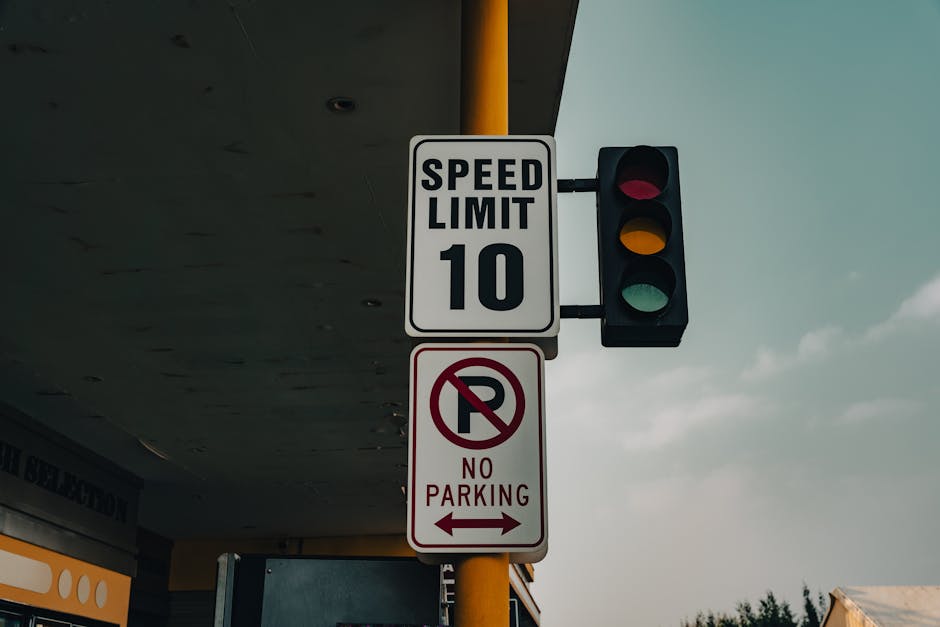
If you are moving in Pimlico, parking can make or break the whole day. One missed notice, one van in the wrong bay, and suddenly a straightforward move turns into a stressful, expensive headache. The good news? Avoiding fines is usually less about luck and more about preparation. This guide explains Avoid fines: parking suspension rules for Pimlico moves in plain English, so you know what to check, what to book, and what to do before the lorry door opens.
Whether you are shifting a flat, moving office equipment, or managing a same-day clearance, parking suspensions and moving-van restrictions matter a lot in Pimlico. The streets are tight, the bay spaces are limited, and local traffic can get busy quickly. Let's face it, nobody wants to discover a suspension sign after the van has already been unloaded. This article walks you through the practical side of things, with local context, a checklist, a comparison table, and a few realistic examples from the kinds of moves people make every week.
Why Avoid fines: parking suspension rules for Pimlico moves Matters
Parking suspension rules are not just administrative fine print. They decide whether a moving van can stop where you need it, for how long, and under what conditions. In Pimlico, where many streets are narrow and bay spaces are closely managed, suspension signs often appear to reserve space for works, deliveries, or temporary access needs. If you ignore them, you may end up with a penalty, a delay, or both.
For a move, the impact is bigger than a single ticket. A badly planned parking arrangement can create a chain reaction: the van arrives late, the crew has to walk further with heavier items, the lift slot at the building gets missed, and the whole day runs over. If you are already juggling keys, inventory, and boxes that somehow never seem to end, that extra pressure is the last thing you need.
It also matters because Pimlico is not a forgiving place to "wing it." In many London neighbourhoods, moving day is won or lost on logistics. A small van can be perfect for a flat move, but only if it can legally stop close enough to the property. If you are planning a move near a busy road, an estate, or a stretch where parking is already tight, reading local guidance such as Pimlico council permit rules for moving vans in SW1V is a sensible early step.
There is also a trust angle here. Landlords, building managers, and neighbours tend to be more cooperative when the move looks organised. Nobody enjoys a van blocking the road with hazards flashing while everyone waits for someone to "just check something." A clean plan keeps the move respectful, efficient, and far less likely to attract complaints.
How Avoid fines: parking suspension rules for Pimlico moves Works
In simple terms, a parking suspension temporarily overrides normal parking permission in a marked bay or restricted section of road. That can happen for many reasons: building works, road maintenance, removals, filming, utility access, or special local arrangements. If a suspension is in force, you should not assume that a resident bay, pay-and-display bay, or loading bay will be available just because it usually is.
For a move, the practical question is not "is there parking?" but "is that parking still valid for the time I need it?" That is where many people slip up. A bay can look empty and still be unavailable. The sign is what matters, not the empty kerbside. A van can only use a suspended space if the suspension allows it, and in most move situations that means it does not.
Here is the real-world rhythm of how this plays out:
- You identify the property and the likely stopping point for the van.
- You check for any temporary parking suspensions on that street or nearby bays.
- You confirm whether the move needs a permit, a booking, or extra waiting time.
- You plan arrival and unloading around those restrictions.
- You keep evidence of the arrangement in case the vehicle is questioned.
That may sound straightforward. And most of the time, it is. But in a place like Pimlico, the challenge is timing. A suspension can begin mid-morning, while your van is scheduled to arrive later. Or a bay might be usable for loading but only for a shorter period than your move actually requires. Small detail, big consequences.
For readers comparing move types, it helps to understand how the choice of service affects parking needs. A man with a van in Pimlico often works best for shorter, tighter moves where quick access matters. By contrast, larger removals may need more space and a more carefully managed parking plan, especially if furniture is bulky or there are multiple trips.
Key Benefits and Practical Advantages
The obvious benefit is avoiding fines. But that is really only the headline. The deeper value is that a proper parking plan gives your entire move more breathing room. You can load safely, keep the schedule realistic, and reduce the little bits of friction that tend to snowball on moving day.
- Lower risk of penalties: you are less likely to park in a suspended bay or block access improperly.
- Less wasted time: the crew is not circling streets looking for a legal stopping point.
- Better protection for items: fewer long carries means fewer chances to drop, scuff, or delay fragile pieces.
- More predictable costs: fewer parking mistakes usually means fewer unexpected charges or overruns.
- Smoother building access: good planning tends to keep landlords and neighbours calmer, which matters more than people admit.
There is another advantage people overlook: confidence. When you know the van's stopping point is sorted, you stop second-guessing the move every ten minutes. That matters. A move is already full of decisions. You do not need parking anxiety sitting in the background like a bad radio station.
For families, professionals, and students alike, that calm can be the difference between a controlled day and a chaotic one. If you are planning a compact flat move, resources like flat removals in Pimlico may also help you think about access and timing together, rather than as separate problems.
Who This Is For and When It Makes Sense
Parking suspension planning is useful for almost any move in Pimlico, but some situations need it far more than others. If your property is on a narrow street, near a busy junction, or in a managed block with shared access, this is not optional thinking. It is essential.
It makes particular sense for:
- people moving into or out of flats with limited street access;
- students moving on a tight timetable;
- households with bulky furniture, white goods, or awkward items;
- office relocations that require a clear loading point;
- same-day or urgent moves where there is less room for error;
- anyone using a larger removal vehicle in a busy part of SW1.
It is also worth paying extra attention if your move falls near a weekend event, roadworks, or a period when local parking demand spikes. Pimlico can feel very different at 8 a.m. compared with late afternoon. The street may look easy enough on a Tuesday lunchtime, then become awkward by Friday morning. Strange, but true.
If you are still deciding how much help you need, a broader service guide like the Pimlico services overview can help you match the type of move to the level of support, rather than guessing and hoping for the best.
Step-by-Step Guidance
Here is the practical sequence we recommend for avoiding parking fines and last-minute stress on a Pimlico move. Nothing fancy, just a sensible process that works.
- Map the exact address and the safest stopping point. Do not rely on memory. Walk the street if you can, or review the location carefully before move day.
- Check whether any parking bays are suspended. Look at the nearest signposts and the section of road where the van would actually stop, not just the building frontage.
- Work out whether a permit or booking is needed. Some moves require more than simple stopping space. If you are unsure, treat it as a planning issue, not a detail to sort out later.
- Choose a realistic arrival time. Early windows can help, but only if they are consistent with building access and the traffic pattern.
- Allow for unloading time. A van may be parked legally for loading, yet the move can still overrun. That is where many penalties creep in.
- Keep your driver and the property contact aligned. One quick message can prevent a missed handover or a van waiting at the wrong end of the street.
- Photograph the signs and the parking position. Not glamorous, but useful if there is any dispute later.
There is a neat little habit that helps: arrive with a backup plan. If your first bay is unavailable, know your second-best legal option before the truck rolls up. Honestly, that one habit saves a lot of shouting.
If you are moving on short notice, a service such as same-day removals in Pimlico can be useful, but only when parking logistics are checked first. Urgency and improvised parking do not mix well.
Expert Tips for Better Results
When you have seen enough moving days, a few patterns become obvious. The best moves are not always the fastest. They are the ones where the small details were handled early.
Tip 1: Treat the kerb as a working area, not a guess. If the van needs to stop close to the doorway, plan for the exact segment of road. In Pimlico, even a few metres can change how long carrying takes.
Tip 2: Keep the heaviest items nearest the exit. That reduces the time the crew spends moving goods between the property and the van. A shorter carry is also safer, full stop.
Tip 3: Do not ignore building rules. Some blocks want moving vans to use a specific entry point or book a lift. Those internal rules can matter as much as street parking.
Tip 4: Keep a spare pair of hands if possible. One person holding doors or guiding the van can speed things up more than you would think. The move feels less like a scramble.
Tip 5: Ask about access before you book the vehicle. If you are choosing between vehicle sizes, parking constraints may make the smaller option the wiser one.
For larger items, it can be worth using a dedicated service such as furniture removals in Pimlico, especially if the street access is tight. A professional team will usually think in terms of route, timing, and handling rather than just "where can we stop?"
One last thing: if your building has awkward access, check the lift size and stair turns before anything else. Parking gets all the attention, but inside access can be the bigger headache. That sounds obvious, but you would be surprised.
Common Mistakes to Avoid
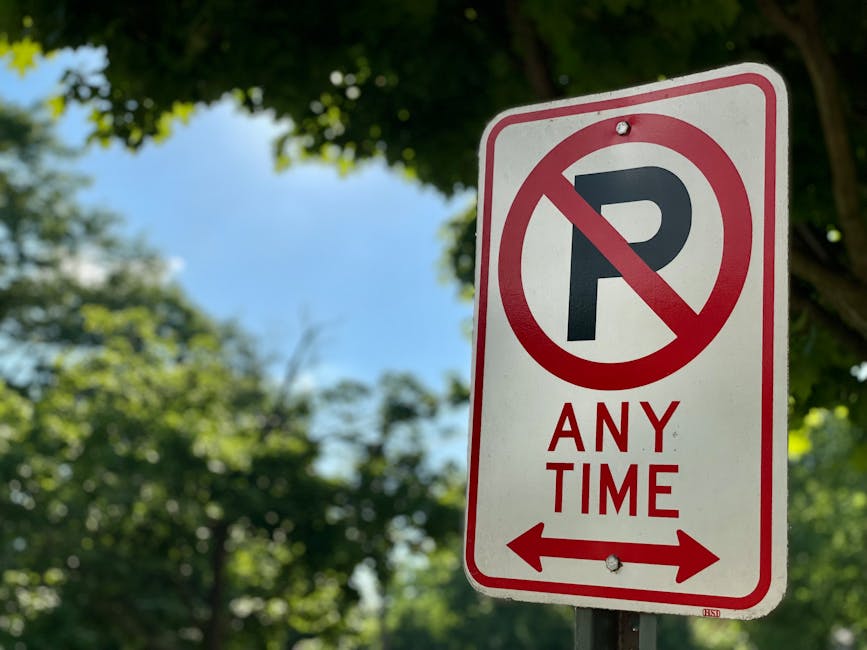
The most common mistake is assuming that an empty bay is available. It is not. If a suspension sign is present, the bay may be out of use even if there is no vehicle there. Another mistake is leaving the parking check until the morning of the move. By then, you have too little time and too much pressure.
Other mistakes show up again and again:
- not checking both sides of the street;
- assuming the same rules apply all day;
- forgetting to allow space for the van doors to open safely;
- booking a vehicle that is too large for the actual street;
- failing to warn the removal team about time limits;
- trying to "just make it work" when a suspension is clearly in force.
There is also the sneaky mistake of underestimating delays. A sofa that needs a careful turn, a missing key, a lift that is busy, a neighbour asking to pass through - these small pauses add up. Parking issues then become more serious because the van stays where it should not for longer than planned.
For cost-conscious movers, it helps to read about hidden fees in Pimlico removals so you can avoid the unpleasant surprise of extra charges linked to poor access or longer loading times. Nobody likes that conversation. Not at all.
Tools, Resources and Recommendations
You do not need a complicated toolkit to manage parking suspension rules well. What you need is a reliable way to collect the right information and keep it visible on move day.
- Printed move plan: include the address, arrival time, van size, contact names, and access notes.
- Phone photos: take clear images of any parking signs and the intended stopping area.
- Text message thread: keep a written record with the driver, landlord, porter, or building contact.
- Floor plan or room list: useful for coordinating where items go once the van is unloaded.
- Backup timing window: ideally give yourself a little slack if the road is busy or access is tight.
From a practical recommendation point of view, start with the move itself and work backwards. Pick the service level, then pick the vehicle, then confirm the stopping point, then check the suspension. That order sounds simple, but it prevents a lot of crossed wires.
If you are comparing options, a page like removal services in Pimlico can help you think through the type of support you actually need rather than overbuying or underplanning. And if you want packaging support as part of that process, packing and boxes in Pimlico can reduce the number of loose ends on the day itself.
Law, Compliance, Standards, or Best Practice
This is where caution matters. Parking rules and suspension arrangements can differ by street, time, and local authority practice. So while the general principle is simple, the exact enforcement details may vary. Do not assume that because a bay is usually resident-only, it is automatically available for a move. And do not assume a suspended space is okay because the van is only there "for a few minutes."
The safest approach is to treat any posted suspension notice as binding unless you have clear confirmation that your vehicle and activity are permitted. Best practice for removals and man-and-van work is to check the location ahead of time, preserve evidence of the sign or correspondence, and avoid leaving a vehicle in a position that could be interpreted as obstructive or unattended without proper authority.
For customers, that means two things. First, use providers who understand local parking constraints and do not improvise their way through the day. Second, be honest about the move conditions. If access is awkward, say so early. Professional planning depends on accurate information, and that is very much part of good service rather than a nice extra.
It is also sensible to review company policies on safety and service terms before you book, especially if the move involves valuable or awkward items. Pages such as health and safety policy, insurance and safety, and terms and conditions can help set expectations around responsibility, handling, and the practical limits of the service.
Options, Methods, or Comparison Table
There is more than one way to handle a Pimlico move, and the right approach depends on how tight the access is. Here is a simple comparison that may help.
| Approach | Best for | Parking pressure | Typical risk level | Practical note |
|---|---|---|---|---|
| Small van with careful street planning | Studio or one-bedroom moves | Moderate | Lower if checked early | Often easiest where roads are narrow |
| Man and van service | Short or flexible moves | Moderate to high | Medium | Useful when access changes quickly |
| Full removals team | Family homes or large flats | High | Lower if coordinated properly | Needs stronger planning around bay space and timings |
| Same-day emergency move | Urgent relocations | Very high | Medium to high | Only practical if parking is verified immediately |
| Self-managed move | Very small loads | Variable | Higher for first-timers | Cheap on paper, but mistakes are easier to make |
If you are trying to keep things simple, a man and van Pimlico option can be a smart middle ground. It is often the sweet spot between flexibility and affordability, though the parking still needs handling properly.
Case Study or Real-World Example
Picture a typical Friday morning move near a Pimlico terrace. The tenant has keys from 9 a.m., the van is due at 9:30, and the flat is on the first floor. On paper, easy enough. But the nearest bay has a temporary suspension notice because of building works further along the road. If nobody checks that in advance, the van arrives and has nowhere legal to stop close to the building.
What happens then? The crew has to park further away, carry boxes down a longer route, and start burning time. The tenant begins getting anxious. The landlord is asking whether the street will be clear. The driver is trying to balance safety and speed. Suddenly the move feels bigger than it really is.
Now imagine the same move with better preparation. The suspension is spotted the day before. The team chooses an alternative legal stopping point, adjusts arrival time slightly, and warns the client that the walk-in distance will be longer. The job still takes effort, but it stays controlled. No drama, no ticket, no frantic wheel-spinning in the middle of the street. Much better.
That is the heart of this topic, really. Parking fines are rarely random. They usually come from one missed detail. And a move in Pimlico tends to reward the people who sweat the small stuff without turning the whole day into a military operation.
Practical Checklist
Use this checklist in the final 48 hours before your move. It is simple, but it catches the usual mistakes.
- Confirm the exact moving address and the best van stopping point.
- Check for parking suspensions on the street and nearby bays.
- Review whether access is restricted by building rules or lift bookings.
- Choose a vehicle size that suits the street and the load.
- Set a realistic arrival window with a little buffer.
- Share access notes with the driver or removals team.
- Photograph any signs or restrictions that may matter later.
- Keep keys, contact numbers, and permits ready in one place.
- Prepare a backup stopping option if the first bay is unavailable.
- Review the move plan one last time the evening before.
Expert summary: the safest way to avoid fines in Pimlico is to treat parking as part of the move plan, not as a last-minute street problem. Check the signs, confirm the access, and keep the schedule flexible enough to absorb small delays. That is what good moving looks like in a busy London neighbourhood.
Conclusion
Parking suspension rules might seem like a small detail, but for a Pimlico move they can shape the entire experience. If you get the parking right, everything else becomes easier: loading, timing, safety, and even the mood on the day. If you get it wrong, the whole move can wobble before the first box leaves the hallway.
The best approach is practical and calm. Check the street early, understand what the suspension means, choose the right vehicle, and plan for a little flexibility. That is how you avoid fines without turning the move into a saga. And in fairness, the best moves are the ones that feel almost boring in hindsight. That usually means they were well handled.
If you are planning a move and want less stress around access, parking, and timing, a well-organised removal plan can save you far more hassle than it costs. Better to spend ten minutes checking than ten hours regretting. Simple, but true.
Get a free quote today and see how much you can save.
In a place like Pimlico, a little preparation goes a long way - and that calm feeling when the van stops exactly where it should? Worth it.